
What Should I Do After a Deep Cleaning Service? Practical After-Care That Helps Results Last
portsmouth, United States - January 30, 2026 / Green Maids Cleaning /
Professional cleaning teams often notice the same pattern: homeowners invest in a thorough deep cleaning, only to reduce its impact within the first day unintentionally. The reasons are rarely dramatic. More often, they involve everyday habits: walking on freshly cleaned floors with outdoor shoes, placing rugs back too soon, or reintroducing conventional cleaning products that interfere with eco-friendly treatments.
According to a recently published article by Green Maids Cleaning, an eco-conscious cleaning company serving the Portsmouth area, these small decisions can significantly affect how long professional results last. Over years of working in New Hampshire homes, the team has observed that what happens after a deep cleaning matters nearly as much as the cleaning itself.

The Immediate Window: Why the First Hours Matter
One of the most important periods following a deep cleaning is the first one to two hours. Eco-friendly, plant-based cleaning products behave differently from conventional chemical cleaners. They still benefit from proper drying time to settle evenly, but they don’t leave heavy residues or artificial coatings on surfaces.
The company has observed that homes with adequate ventilation and limited foot traffic during this window tend to maintain cleaner floors, clearer glass, and more even finishes. Opening windows briefly to allow moisture to dissipate and letting floors fully dry before walking on them helps prevent streaking, spotting, and premature wear.
Importantly, homeowners sometimes mistake residue-free surfaces for being “unfinished.” In reality, the absence of slick coatings is one of the indicators that surfaces have been properly cleaned rather than masked.
The First 24–48 Hours: Habits Set the Baseline
Beyond the initial drying period, the first day or two after a deep cleaning often determines how quickly buildup returns. This is especially true in coastal climates, where seasonal debris has a direct effect on indoor cleanliness.
The article notes that entryways are the most common trouble spots. Homes that temporarily adopt a shoes-off approach during this period see noticeably better floor longevity. Winter salt, fine sand, pollen, and moisture can quickly undo detailed floor work if tracked inside too soon.
Other observed factors include moving furniture before floors are fully cured, placing rugs back immediately, and using incompatible cleaning sprays on freshly cleaned surfaces. These actions are not harmful on their own, but together they shorten the lifespan of a deep clean.
Consistency Over Intensity
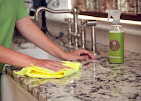
When it comes to maintaining results, professionals point to consistency rather than effort. Households that perform small, regular tasks, like wiping kitchen surfaces after use, addressing spills promptly, and keeping high-traffic areas clear, tend to go longer between deep cleanings.
This pattern holds across different household sizes and lifestyles. The key difference isn’t how much cleaning is done, but how quickly new buildup is prevented from taking hold. From a cost perspective, this matters. Homes with simple maintenance habits often extend the interval between deep cleanings from three months to six months or longer, depending on usage.
Product Compatibility Matters
Another recurring issue involves product choice. Conventional cleaners marketed as “antibacterial” or “heavy-duty” often leave residues that attract dirt or interfere with eco-friendly treatments applied during professional service.
Clients who switch to mild, biodegradable products or rely on simple tools like microfiber cloths and diluted soap tend to preserve results more effectively. According to Green Maids, this isn’t about using more products, but about avoiding those that undo previous work.
Indoor air quality also plays a role. Regular ventilation, clean HVAC filters, and limiting synthetic air fresheners help maintain the healthier environment created during a deep clean.
When to Follow Up
Some post-cleaning observations are normal: subtle natural scents, surfaces that feel residue-free, or moisture marks that disappear as they dry.
Others are not. Homeowners are advised to reach out if they notice sticky films, cloudy residue once surfaces are dry, or areas that appear incomplete within the agreed scope. Addressing these concerns promptly is part of maintaining consistent standards and trust.
A Reset That Lasts
A deep cleaning resets a home’s baseline. Professional experience shows that awareness—not perfection—is what keeps that reset intact.
Allowing surfaces to dry, being mindful during the first day, and keeping maintenance simple help results last longer and make future cleanings more effective.

Contact Information:
Green Maids Cleaning
3612 Lafayette Road, Dept. 1
portsmouth, NH 03801
United States
John O'Brien
https://greenmaidscleaning.com/


