LOS ANGELES, CA, Jan. 06, 2026 (GLOBE NEWSWIRE) -- Disclaimer: This article is for informational purposes only. It is not medical advice. Always consult a qualified healthcare professional before starting supplements. If you purchase through links in this article, a commission may be earned at no additional cost to you.
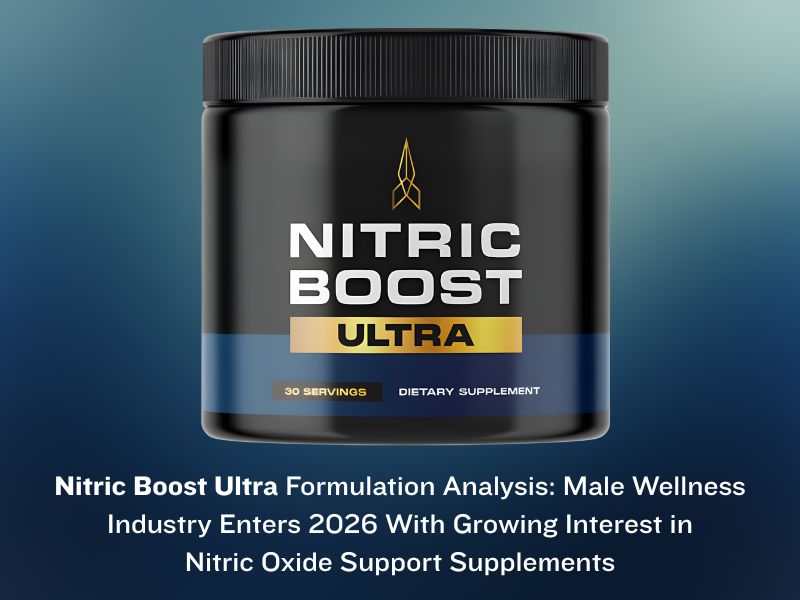
Men increasingly turn to dietary supplements when digital advertisements promise renewed vitality and improved performance. As January 2026 begins, post-holiday consumer search interest in this category is commonly observed. Nitric Boost Ultra, a powdered dietary supplement from a company working with BuyGoods as its retailer, represents one formulation within this expanding category.
Industry observers note that post-holiday periods typically see increased health-related search activity as consumers commit to wellness goals entering new years. This pattern appears commonly observed in 2026, with searches for terms related to male circulatory health, natural performance support, and nitric oxide supplementation often discussed more actively compared to late-year periods.
Some widely cited epidemiological projections have estimated that erectile dysfunction prevalence could reach approximately 322 million men worldwide by 2025, a figure often cited to explain the scale of consumer interest in male wellness and circulation-related topics. This demand drives both legitimate product development and problematic marketing practices that regulatory bodies continue to monitor.
This analysis examines the nitric oxide supplement category through the specific lens of Nitric Boost Ultra's eight-ingredient formulation, exploring ingredient research, realistic expectations frameworks, age-specific physiological considerations, and the broader market context as the male wellness industry enters 2026. Previous industry coverage has examined various aspects of this product category, including scientific research of multi-pathway nitric oxide formulations and alternative natural approaches to circulatory support.
View the current Nitric Boost Ultra offer (official Nitric Boost page)
Industry Context: Post-Holiday Search Behavior Patterns
Digital advertising platforms including Meta (Facebook/Instagram), Google Display Network, TikTok, and YouTube often feature increased male wellness supplement advertising activity entering January 2026. According to standard industry patterns, post-holiday periods typically generate heightened consumer research activity as individuals commit to health-related resolutions.
Consumer search patterns suggest that individuals seeing advertisements for products like Nitric Boost Ultra often follow similar validation pathways. Initial searches focus on legitimacy verification, followed by ingredient research, user experience investigation, pricing comparison, and purchasing decision factors. This creates specific content needs within the male wellness information ecosystem.
The nitric oxide supplement subcategory within male wellness has experienced particular growth over the past 18 months.
What Is Nitric Boost Ultra?
Nitric Boost Ultra is described by the company as a powdered dietary supplement manufactured and distributed by a company working with BuyGoods as its retailer. The product is positioned within the male wellness category and is commonly researched by consumers interested in circulatory function and nitric oxide pathway supplementation.
According to the company's materials, the formula contains eight primary ingredients selected for their association with nitric oxide production, blood vessel function, and circulatory support. The powder format distinguishes it from the capsule-based supplements that dominate this category.
The product is distributed to consumers primarily through online channels, with advertising emphasizing natural ingredients, blood flow support, and benefits related to male vitality and performance.
The Nitric Oxide Connection: Scientific Foundation and Market Application
To evaluate the theoretical basis for nitric oxide support supplementation, understanding this molecule's physiological role is essential. This represents established science that informs supplement formulation approaches across the category.
Nitric oxide functions as a signaling molecule regulating vascular tone. Published research in peer-reviewed journals including Circulation, the Journal of Applied Physiology, and the American Journal of Clinical Nutrition has established that nitric oxide helps blood vessels relax and dilate, affecting blood flow throughout the body. This mechanism relates to cardiovascular health, exercise performance, and male wellness through well-documented pathways.
The body produces nitric oxide through two primary biochemical pathways. The dietary nitrate-nitrite-nitric oxide pathway converts nitrates from foods into nitrite, which then converts to nitric oxide under specific conditions. The L-arginine-nitric oxide pathway involves amino acids serving as substrates for enzymes that produce nitric oxide. Research examining these pathways spans decades and multiple health contexts.
Studies have demonstrated that beetroot juice consumption can increase plasma nitrate concentrations, that L-citrulline supplementation can raise L-arginine levels more effectively than direct L-arginine supplementation in certain contexts, and that these biochemical changes can affect various measures of vascular function. Meta-analyses published in journals including Hypertension and the British Journal of Nutrition have examined these effects across study populations.
However, translating ingredient-level research into finished product expectations represents a significant methodological gap. Individual ingredient studies typically use different doses, isolated compounds, and controlled populations that may not reflect typical supplement users or real-world conditions.
This discussion is intended to explain general physiology and ingredient research, not to evaluate Nitric Boost Ultra or any supplement as a medical treatment.
Ingredient Analysis: Research Context for Eight-Component Formula
Nitric Boost Ultra contains eight ingredients. Understanding what research says about each ingredient individually provides context for evaluating formulation approaches in this category. These findings are ingredient-level and do not confirm outcomes for any finished multi-ingredient supplement.
Beetroot Powder
Beetroot is one of the most studied dietary sources of nitrates. According to research published in the American Journal of Clinical Nutrition and the Journal of Applied Physiology, beetroot supplementation has been examined in numerous contexts including cardiovascular health, exercise performance, and vascular function.
A 2013 meta-analysis in the journal Hypertension examined multiple studies and found that dietary nitrate supplementation was associated with changes in blood pressure parameters in some study populations. Individual study results varied based on baseline health status, dosage, and duration.
Studies examining beetroot for exercise performance have shown mixed results. Some research has observed changes in exercise tolerance or time to exhaustion in certain populations, while other studies have found minimal effects. Variables including training status, exercise intensity, and individual physiology appear to influence outcomes.
These findings are ingredient-level research. Nitric Boost Ultra's specific beetroot powder dose and formulation context differ from isolated beetroot studies.
L-Arginine
L-arginine is an amino acid that serves as a direct substrate for nitric oxide synthase enzymes. Research examining L-arginine supplementation spans decades and multiple health contexts.
According to studies published in journals including the Journal of Sexual Medicine and Circulation, L-arginine supplementation has been investigated for potential relationships to vascular function in various populations. A 1999 study in BJU International examined L-arginine supplementation in certain populations and observed changes in some participants. However, a 2011 Cochrane review examining L-arginine for cardiovascular conditions noted that evidence quality was often limited by small sample sizes and methodological variations.
Research has also identified that oral L-arginine bioavailability can be limited by intestinal and hepatic metabolism, which has led to interest in alternative approaches including L-citrulline supplementation. Previous industry analysis of nitric oxide pathways has examined these biochemical mechanisms in detail.
These findings are ingredient-level and do not confirm outcomes for finished supplements.
L-Citrulline DL-Malate
L-citrulline is an amino acid that converts to L-arginine in the kidneys. Research published in the British Journal of Nutrition and other journals has shown that L-citrulline supplementation can increase plasma L-arginine concentrations more effectively than equivalent doses of L-arginine itself, due to differences in metabolism.
Studies examining L-citrulline for exercise performance have shown varying results. Some research has observed changes in exercise parameters or muscle soreness markers, while other studies have found minimal effects. The addition of malate (malic acid) in the DL-malate form is theorized to support energy metabolism, though research specifically on citrulline malate combinations is more limited than research on L-citrulline alone. Recent analysis of performance-oriented nitric oxide formulations has examined L-citrulline's role in various supplement contexts.
These findings are ingredient-level research and do not confirm outcomes for any finished multi-ingredient supplement.
Horny Goat Weed (Epimedium)
Epimedium, commonly called horny goat weed, contains a compound called icariin. According to research published in journals including Phytotherapy Research and the Journal of Sexual Medicine, icariin has been studied primarily in laboratory and animal models for its biochemical properties.
Laboratory studies have examined icariin's relationship to certain enzyme systems. However, human clinical research on horny goat weed or icariin remains limited, with most studies being small in scale or conducted primarily in animal models.
Traditional use of epimedium in herbal medicine spans centuries, though traditional use does not equate to clinical validation by modern research standards. These findings are ingredient-level and do not confirm outcomes for finished supplements.
Dong Quai (Angelica sinensis)
Dong quai has been used in traditional practices. Research published in journals including Phytotherapy Research has examined various compounds in dong quai including coumarins and ferulic acid.
Some laboratory and animal studies have examined dong quai's biochemical properties in experimental contexts. However, human clinical research specifically examining dong quai for male wellness applications remains quite limited.
These findings are ingredient-level research and do not confirm outcomes for finished supplements.
Ginkgo Biloba Powder
Ginkgo biloba is one of the most extensively researched botanical supplements. According to a 2009 Cochrane review and other systematic analyses, ginkgo has been studied in multiple health contexts.
Research examining ginkgo has produced mixed results across various applications. Ginkgo's flavonoid and terpenoid compounds have been studied for biochemical properties in experimental settings, though clinical significance for specific wellness applications remains debated across study populations.
Ginkgo has documented interactions with anticoagulant medications and carries considerations that should be discussed with healthcare providers. These findings are ingredient-level and do not confirm outcomes for finished supplements.
D-Aspartic Acid
D-aspartic acid is an amino acid that has been studied in contexts related to biochemical processes. According to research published in Reproductive Biology and Endocrinology, a 2009 study found changes in certain biomarkers in some study participants taking D-aspartic acid supplementation.
However, subsequent research has produced inconsistent results. A 2013 study in the Journal of the International Society of Sports Nutrition found minimal effects in certain populations. Current evidence suggests effects may vary significantly based on multiple individual factors.
These findings are ingredient-level research and do not confirm outcomes for finished supplements.
Niacin (Vitamin B3)
Niacin is a B vitamin involved in numerous metabolic processes. At higher doses, niacin causes vasodilation through mechanisms distinct from nitric oxide pathways. This is responsible for the characteristic niacin flush that some users experience.
Research published in the Journal of Sexual Medicine and other journals has examined niacin in various health contexts. A 2011 study found that niacin supplementation was associated with changes in certain biomarkers in some populations.
Niacin at supplemental doses can cause temporary skin flushing, warmth, and itching. While generally not harmful, these effects can be uncomfortable. High-dose niacin over extended periods requires monitoring in some contexts.
These findings are ingredient-level and do not confirm outcomes for any finished multi-ingredient supplement.
Critical Context: Ingredient Research vs. Product Applications
This ingredient analysis reveals an important pattern: individual ingredients in Nitric Boost Ultra have been studied in various contexts, often with mixed or preliminary results. None of these studies examined Nitric Boost Ultra as a finished product. The specific combination of ingredients, their doses in this particular formula, and their interactions remain unstudied in clinical trials.
This is not unique to Nitric Boost Ultra. Most dietary supplements on the market have not undergone independent clinical trials as finished products. Consumers must understand that ingredient research provides theoretical rationale but cannot guarantee product efficacy.
Consumer Evaluation Framework: What Individuals Researching This Category Often Consider
Based on the formulation's focus and the research behind its ingredients, consumers researching nitric oxide support supplements often evaluate products based on several factors.
Nitric Boost Ultra May Align With the Interests of Individuals Who:
Are interested in proactive circulatory support approaches. Research has established that vascular function changes with age. While supplements cannot reverse aging processes, some consumers approaching or past age 40 seek nutritional approaches within broader wellness strategies.
Engage in regular physical activity and want to explore nutritional support options. Some ingredients in formulations like this have been studied in exercise contexts. Individuals who maintain active lifestyles may be interested in the ingredient profile.
Prefer natural approach exploration before considering other interventions. For individuals with mild concerns who are not yet considering other options, dietary supplements represent a different approach. This may be most relevant for those with mild interests rather than significant concerns.
Find powder formats more convenient than capsules. Some individuals prefer mixing supplements into beverages rather than swallowing multiple capsules. The powder delivery system may appeal to those who already use protein powders or other powdered supplements.
Alternative Approaches May Be More Appropriate For Individuals Who:
Have significant or persistent concerns. Dietary supplements provide nutritional support, not medical interventions. Individuals with significant concerns should prioritize medical evaluation to explore underlying factors and discuss appropriate options including approaches that have undergone rigorous clinical testing.
Take multiple medications, particularly blood pressure medications, blood thinners, or related medications. Several ingredients in formulations like Nitric Boost Ultra have documented or theoretical interactions with common medications. Medical oversight becomes particularly important for individuals managing multiple health factors.
Have hormone-related health considerations. D-aspartic acid has been studied in contexts related to biochemical processes. Individuals with conditions affected by hormonal factors should discuss supplementation with healthcare providers.
Are sensitive to niacin or have experienced uncomfortable reactions to B vitamins. The niacin in this formula can cause temporary flushing, skin warmth, and itching in some users. While generally not dangerous, these effects can be unpleasant.
Expect immediate, dramatic changes. Supplements targeting nitric oxide pathways typically require consistent daily use over time periods. They provide nutritional support for normal physiological processes, not on-demand pharmaceutical-type effects.
Questions Consumers Often Bring to Healthcare Providers
Before selecting any supplement in this category, individuals often discuss with healthcare providers:
- What specific aspects of health am I hoping to support through supplementation?
- How does supplement use fit within the context of my complete health picture and current medications?
- What are realistic expectations for what dietary supplements can and cannot provide?
- Am I approaching this as part of a comprehensive wellness strategy that includes proper medical care, nutrition, sleep, stress management, and lifestyle factors?
- If I'm experiencing significant concerns, have underlying factors been properly evaluated?
These questions help ensure that supplement choices align with individual health needs and goals rather than replacing fundamental health practices or necessary medical care.
Age-Specific Considerations: Male Wellness Across Life Stages
Physiological function changes with age, and understanding these changes helps set realistic expectations for supplement support at different life stages.
Understanding Age-Related Changes in Physiological Function
Changes in various physiological parameters with age are common and often reflect normal processes rather than disease states. According to research published in the Journal of Sexual Medicine and other medical journals, these changes may include various parameters requiring more time or stimulation, changes compared to younger years, and other age-related patterns.
These changes result from multiple factors including changes in nitric oxide production, blood vessel elasticity, hormonal shifts, and other physiological processes. Understanding that some degree of change is normal helps individuals maintain perspective and set appropriate expectations for interventions including supplementation.
Considerations for Men in Their 40s
Men in their 40s often first notice subtle changes in various wellness parameters. At this age, proactive approaches to health may be most relevant. Research suggests certain biochemical processes may begin changing around age 40, though individual variation is substantial.
For men in this age range experiencing early-stage interests, lifestyle factors including exercise, diet, stress management, and sleep often have significant impact. Supplementation targeting nitric oxide pathways may be considered as one component of a broader health strategy.
Men in their 40s should be particularly attentive to cardiovascular health. Any sudden changes in wellness parameters warrant medical evaluation.
Considerations for Men in Their 50s
Men in their 50s often experience more noticeable changes in various wellness parameters. At this age, distinguishing between normal age-related changes and changes that indicate health conditions becomes important.
Certain biomarkers typically change gradually with age, though the timing and degree vary substantially between individuals. Some men in their 50s may benefit from biomarker evaluation if concerns include not just one parameter but also energy, mood, and other factors potentially related to broader changes.
Cardiovascular health becomes increasingly important in this decade. Blood pressure, cholesterol, blood sugar, and other cardiovascular factors significantly impact circulatory function throughout the body.
Considerations for Men 60 and Beyond
For men in their 60s and beyond, medical oversight becomes particularly important. At this age, men are more likely to be managing multiple health factors and taking several medications, creating increased potential for supplement interactions.
Wellness concerns at this age more commonly reflect vascular changes, hormonal shifts, or medication effects rather than mild early changes. While supplements may provide some nutritional support, expectations should be realistic. Medical evaluation is typically appropriate for this age group.
Realistic Expectations: What Nitric Oxide Support Supplements Are Designed to Provide
Setting accurate expectations is essential for satisfaction with any supplement, particularly those marketed for male wellness.
What Nitric Oxide Support Supplements Are Designed to Do
Nitric oxide supplements like Nitric Boost Ultra are formulated to support the body's natural production of nitric oxide through dietary precursors and related compounds. The theoretical benefit is nutritional support for blood flow and circulatory function through physiological processes.
For some individuals with mild interests related to circulation and blood flow, this nutritional approach may be relevant within broader wellness strategies. The ingredients have been studied primarily for their relationships to normal physiological processes.
Some individuals report subjective experiences when using nitric oxide support supplements consistently over time. These reports represent individual experiences and should not be interpreted as typical or guaranteed outcomes.
What Nitric Oxide Supplements Are Not Designed to Do
Nitric oxide supplements are not medical interventions and cannot replace appropriate medical care for diagnosed conditions. Nitric Boost Ultra is described by the company as a dietary supplement; dietary supplements are regulated differently than prescription medications and are not approved by the FDA for addressing diseases.
They do not work like prescription medications. Pharmaceutical products have specific mechanisms and timelines of action. Supplements work through different pathways.
They cannot address severe physiological issues, significant biochemical imbalances, or major health conditions. When concerns are significant or long-standing, medical evaluation and pharmaceutical intervention may be appropriate.
They cannot substitute for fundamental health practices. No supplement can compensate for poor diet, lack of exercise, inadequate sleep, excessive alcohol consumption, smoking, or unmanaged stress.
Individual Variability: Why Experiences Differ
Research consistently shows substantial individual variation in supplement experiences. Factors influencing outcomes include:
Baseline health status. Individuals with mild interests often report different subjective experiences than those with significant concerns. Supplements provide nutritional support, not interventions for advanced medical situations.
Age and physiology. Younger individuals with early-stage changes may respond differently than older individuals with more substantial physiological changes.
Underlying factors. Various wellness concerns can stem from vascular issues, hormonal imbalances, psychological factors, medication side effects, or combinations of these. Supplements addressing blood flow pathways may not be relevant for concerns with different root causes.
Consistency of use. Most supplements require consistent daily use over several weeks. Users expecting immediate changes may discontinue before giving products adequate trial time.
Lifestyle factors. Diet, exercise, sleep quality, stress levels, alcohol consumption, and smoking status all significantly impact wellness parameters. Supplements work best within the context of overall healthy habits.
Medication interactions. Some medications can affect wellness parameters or interact with supplement ingredients, influencing apparent effects.
Psychological factors. Performance anxiety, relationship stress, depression, and other mental health factors significantly affect wellness and can influence supplement experiences.
This variability explains why supplement experiences often range from highly positive to disappointing. Both perspectives can be accurate representations of different individuals' experiences.
Safety Considerations and Potential Interactions
While Nitric Boost Ultra contains ingredients generally recognized as safe at typical supplemental doses, several important safety considerations apply.
Blood Pressure Considerations
Ingredients affecting nitric oxide pathways can influence blood pressure. For most healthy individuals, these effects are mild. However, individuals taking blood pressure medications should discuss supplementation with healthcare providers before use.
The combination of supplements affecting blood flow with prescription blood pressure medications could potentially cause blood pressure to drop more than intended. This requires medical oversight.
Anticoagulant Concerns
Ginkgo biloba has been associated with bleeding considerations in some studies and case reports. Individuals taking blood thinning medications including warfarin, clopidogrel, aspirin therapy, or other anticoagulants should consult healthcare providers before using supplements containing ginkgo.
This is particularly important for individuals scheduled for surgical procedures, as ginkgo may need to be discontinued before surgery.
Medication Interactions
Several potential medication interactions warrant attention. Individuals should discuss supplement use with healthcare providers if taking medications, particularly those related to cardiovascular function, blood glucose management, mood management, or other categories.
Niacin Effects
Niacin at supplemental doses commonly causes temporary skin flushing, warmth, redness, and itching. These effects typically occur 20-30 minutes after taking niacin and subside within an hour or two. While not dangerous, they can be uncomfortable.
Starting with lower doses and taking niacin with food can sometimes reduce flush intensity. However, some individuals remain sensitive regardless of timing.
When to Avoid or Postpone Supplementation
Supplementation with products like Nitric Boost Ultra may not be appropriate for individuals who:
- Are taking multiple medications without medical oversight of potential interactions
- Have uncontrolled high blood pressure or cardiovascular concerns
- Have severe kidney or liver conditions
- Are scheduled for surgery within two weeks (due to ginkgo's potential bleeding considerations)
- Have experienced severe allergic reactions to any listed ingredients
- Are under 18 years of age
This safety overview does not replace consultation with healthcare providers. Anyone considering Nitric Boost Ultra should review the complete ingredient list with their doctor, particularly if managing health conditions or taking medications.
The Broader Context: Male Wellness Category Evolution Entering 2026
Nitric Boost Ultra operates within a male wellness supplement category experiencing both growth and increased regulatory attention. Understanding this broader industry context informs consumer evaluation of individual products.
Market Growth and Consumer Behavior Trends
According to market research firms tracking supplement sales, the global men's health supplements market has expanded steadily over the past five years. Several demographic and cultural trends characterize this growth:
Demographic shifts: Aging male populations in developed markets create growing interest in products addressing age-related changes. The population of men over 40 continues to expand in key markets including North America, Europe, and parts of Asia.
Cultural destigmatization: Reduced stigma surrounding male health concerns has led more men to seek information proactively rather than avoiding the topic. This represents a significant shift from patterns observed a generation ago.
Digital commerce adoption: E-commerce and direct-to-consumer models have made supplement purchasing more accessible and private than retail alternatives. This particularly affects categories where consumers prefer discretion.
Information-seeking behavior: Contemporary consumers conduct extensive online research before purchasing health products. Consumer search interest indicates that verification, ingredient research, and comparison evaluation precede most supplement purchases.
Natural approach preferences: Many consumers, particularly those experiencing early-stage concerns, express preferences for trying natural interventions before considering pharmaceutical options. This creates market opportunities for supplement formulations.
New Year Resolution Context: January 2026 Patterns
The timing of this analysis coincides with a predictable annual pattern in health-related consumer behavior. January typically represents peak engagement with wellness goals as individuals commit to changes entering new calendar years.
For male wellness products specifically, several factors converge in early January:
Post-holiday reflection periods: Time away from work routines creates opportunities for health assessment and goal setting that many men deprioritize during busy periods.
Fresh start mentality: The psychological appeal of new beginnings amplifies commitment to lifestyle changes including supplement adoption.
Advertising activity: Supplement marketers increase advertising spending in December and January, capitalizing on resolution-driven consumer receptivity.
Search interest increases: Industry observation commonly shows elevated search interest for health-related terms in January compared to November-December periods.
These patterns create particular relevance for understanding how consumers encounter and research products like Nitric Boost Ultra during this timeframe.
Regulatory Landscape and Quality Concerns
The male wellness supplement category operates under Food and Drug Administration regulations governing dietary supplements, which differ substantially from pharmaceutical drug regulations. Several issues characterize the current regulatory environment:
Pre-market approval differences: Unlike prescription medications, dietary supplements do not undergo FDA pre-market approval processes. Manufacturers bear responsibility for ensuring safety and accurate labeling, but finished products reach consumers without government efficacy verification.
Claims limitations: Supplements cannot legally claim to address, manage, or prevent diseases. Products making such claims cross into drug territory and may face regulatory action. Legitimate supplements in this category focus on supporting normal function through nutritional means.
Undisclosed ingredient concerns: FDA enforcement actions have identified male wellness supplements containing undisclosed pharmaceutical ingredients. These products pose safety risks and violate supplement regulations.
Marketing practices oversight: Federal Trade Commission oversight addresses misleading advertising claims. The FTC has taken action against male wellness supplement marketers making unsubstantiated efficacy claims or using deceptive endorsements.
Counterfeit product issues: Popular supplements often face counterfeit versions sold through unauthorized channels. These may contain incorrect ingredients, improper doses, or contaminants. The presence of Nitric Boost Ultra listings on platforms like Amazon raises authenticity verification concerns for consumers.
Important Regulatory Context: The male wellness supplement category has been under increased regulatory scrutiny in recent years. Consumers should review the most current information about any product's compliance, ingredient quality, and regulatory standing before purchasing.
How Consumers Evaluate Nitric Oxide Support Supplements in 2026
Consumers researching nitric oxide support supplements often evaluate products based on several verification factors:
Label Reading: Examining ingredient lists for transparency, dose disclosure, and proprietary blend usage. Consumers often prefer products that disclose specific ingredient amounts rather than hiding behind proprietary blends.
Ingredient Transparency: Verifying that listed ingredients match those described in marketing materials. Cross-referencing ingredient names with research databases to understand what studies exist.
Third-Party Testing: Looking for products that undergo independent testing for purity and potency. According to the company's materials, consumers should verify any third-party testing claims directly with manufacturers.
Refund Terms Verification: Understanding satisfaction policies, return windows, and any conditions or requirements. Reading the fine print about what "money-back guarantees" actually entail.
Retailer Clarity: Confirming who manufactures, who retails, and who provides customer service. For Nitric Boost Ultra, BuyGoods serves as the retailer while the product is manufactured by the company.
Manufacturing Claims: Evaluating statements about FDA-registered facilities, GMP certification, and quality control. Understanding that FDA registration of facilities differs from FDA approval of products.
Source Verification: Ensuring purchases come from official sources rather than third-party resellers where counterfeit risks increase.
Common Misconceptions About Nitric Oxide Supplements
Several common misconceptions surround nitric oxide support supplements that consumers researching this category often encounter:
Misconception 1: "Supplements work like medications"
Dietary supplements provide nutritional support through different mechanisms than pharmaceutical drugs. They work through supporting normal physiological processes rather than pharmacological intervention.
Misconception 2: "Higher doses always work better"
More is not always better with supplements. Many ingredients have optimal dose ranges, and exceeding these may increase side effects without increasing benefits.
Misconception 3: "Natural means risk-free"
Natural ingredients can still cause side effects, interact with medications, and pose risks for certain individuals. Natural does not equal safe for everyone.
Misconception 4: "Testimonials prove effectiveness"
Individual experiences, while genuine, do not constitute scientific evidence. People who have positive experiences are more likely to leave feedback than those with neutral experiences.
Misconception 5: "FDA oversight is the same as for drugs"
Dietary supplements face different regulatory standards than prescription medications. They do not undergo pre-market approval for efficacy.
Misconception 6: "All products with the same ingredients are equivalent"
Quality, purity, dose, and formulation approaches vary between manufacturers. Not all supplements with similar ingredient lists perform identically.
Cardiovascular Health as Foundation
Wellness parameters are fundamentally related to vascular events. The same factors that promote cardiovascular health support various wellness parameters. Research has established strong connections between cardiovascular factors and male wellness. Alternative natural approaches to circulatory support have been examined in various industry contexts, though the relationship between dietary interventions and measurable outcomes remains complex.
According to studies published in the Journal of the American College of Cardiology and other cardiology journals, certain wellness parameters can sometimes serve as early indicators of cardiovascular considerations. Smaller blood vessels may show changes before larger vessels, so vascular considerations may manifest in various wellness parameters.
This means that prioritizing cardiovascular health benefits both heart health and male wellness parameters. Key factors include:
Regular physical activity. Exercise supports vascular function, helps manage weight, reduces stress, and supports healthy blood pressure and cholesterol. Studies have shown that men who engage in regular moderate to vigorous exercise have better wellness parameters across various measures.
Healthy diet. Dietary patterns associated with cardiovascular health, such as Mediterranean-style diets rich in vegetables, fruits, whole grains, fish, and healthy fats, have been associated with better wellness parameters in some studies.
Weight management. Excess weight, particularly abdominal obesity, is associated with various wellness parameters through multiple mechanisms including effects on hormones, inflammation, and vascular function.
Blood pressure monitoring. Elevated blood pressure affects blood vessels over time. Managing blood pressure through lifestyle and medication when necessary protects vascular function throughout the body.
Cholesterol management. High cholesterol contributes to vascular changes. Appropriate management supports long-term vascular health.
Blood sugar monitoring. Diabetes-related changes can affect nerves and blood vessels in ways that impact various wellness parameters. Preventing or well-managing diabetes protects multiple aspects of health.
Pricing and Purchasing Information
According to the company's website, Nitric Boost Ultra is offered in multiple package configurations through its official online ordering channel. The company also describes a satisfaction policy and shipping terms that vary by destination and package selection.
The company states that its satisfaction policy window is 180 days, subject to the terms and conditions listed on its website. Because offers can change, readers should confirm the latest availability, shipping terms, and policy details directly with the official Nitric Boost Ultra website.
According to the company, Nitric Boost Ultra is distributed through its official online ordering channel rather than traditional retail stores; consumers are encouraged to verify current availability directly through the official website.
Customer Support and Contact Information
According to the company's website, Nitric Boost Ultra provides customer support through multiple channels:
Phone Support: 1 (814) 885-4823
Hours: Monday through Friday (specific hours listed on website)
Email Support: support@getnitricboost.com
The company states that customer service representatives can assist with orders, shipping questions, satisfaction policy inquiries, and general product information.
Retailer Information: BuyGoods serves as the retailer for this product. According to the website, BuyGoods is located at 1201 N Orange Street Suite #7223, Wilmington, DE 19801, USA. The role of BuyGoods as retailer does not constitute product endorsement or review of claims.
View the current Nitric Boost Ultra offer (official Nitric Boost page)
Making an Informed Decision About Nitric Oxide Support Supplements
After examining the research, ingredients, realistic expectations, and broader context, consumers can draw certain conclusions about evaluating products in this category.
What the Evidence Supports
Individual ingredients in Nitric Boost Ultra have been studied in various contexts related to nitric oxide production, blood flow, and vascular function. This provides theoretical rationale for formulation approaches. Some ingredients, particularly beetroot, L-citrulline, and L-arginine, have research support in contexts relevant to circulatory wellness.
The powder delivery format offers convenience for some users and is designed to mix into a beverage as an alternative to tablets, though this does not guarantee efficacy.
The company provides contact information, operates through an established retailer, and describes a satisfaction policy, all of which are factors consumers often evaluate compared to less transparent operations in this category.
What Remains Uncertain
Nitric Boost Ultra as a finished product has not undergone independent clinical trials. The specific combination of these eight ingredients at these doses has not been studied for efficacy in populations seeking male wellness support.
Individual experiences with supplements vary significantly. While some consumers may report positive experiences, these represent individual outcomes and cannot predict responses for any specific person.
The gap between ingredient research and finished product efficacy remains substantial. Published studies used different doses, different formulations, and often different populations than typical supplement users.
Factors Consumers Often Weigh
Consumers researching Nitric Boost Ultra often consider whether they:
- Are experiencing mild circulatory wellness interests
- Are in their 40s or 50s and noticing age-related changes
- Have discussed supplementation with healthcare providers and received input
- Are not taking medications with potential interactions
- Understand this provides nutritional support within broader wellness strategies
- Have realistic expectations about gradual, subtle nutritional support
- Are committed to consistent daily use over time periods
- Are already maintaining healthy lifestyle habits
- Prefer powder formats over capsules
- Are comfortable with the pricing and policies
Conversely, consumers often recognize that alternative approaches may be more appropriate if they:
- Have significant or persistent wellness concerns requiring medical evaluation
- Are taking multiple medications without medical oversight
- Have underlying health conditions affecting various parameters
- Are sensitive to niacin or have experienced uncomfortable flushing reactions
- Expect immediate, dramatic changes similar to pharmaceutical interventions
- Are seeking to avoid addressing underlying lifestyle or health issues
- Have bleeding disorders or take anticoagulant medications (due to ginkgo)
- Are not willing or able to commit to daily consistent use
- Are under 18 years of age
The Evaluation Process
Nitric Boost Ultra represents a formulation built on ingredients with varying levels of research support for circulatory and vascular function. The theoretical rationale for this approach has basis in the science of nitric oxide and blood flow.
However, theoretical rationale does not equal guaranteed outcomes. The product has not been independently studied, and individual experiences vary significantly. It is a dietary supplement providing nutritional support within broader wellness strategies.
For individuals with mild interests who maintain overall healthy habits and have discussed supplementation with healthcare providers, products like Nitric Boost Ultra may be worth consideration as one component of a broader wellness approach.
For individuals with significant concerns, underlying health conditions, or substantial symptoms, medical evaluation and evidence-based approaches should take priority over dietary supplementation.
The decision about any supplement should be made thoughtfully, with realistic expectations, in consultation with healthcare providers, and as part of a comprehensive approach to wellness that includes fundamental lifestyle practices.
Disclaimers
Affiliate Disclosure: If you purchase products through links in this article, a commission may be earned at no additional cost to you. Always order through the official website to ensure authenticity and access to policies.
Medical Disclaimer: This content is for informational purposes only and is not a substitute for professional medical advice. Nitric Boost Ultra has not been evaluated by the FDA and is not intended to diagnose, treat, cure, or prevent any disease. Always consult a qualified healthcare professional before making changes to your diet, lifestyle, or supplement routine.
Product & Pricing Disclaimer: Product availability, consumer experiences, and pricing may vary. Always confirm the latest details directly with the official brand before making a purchase decision.
Publisher Responsibility Disclaimer: The publisher of this article has made every effort to ensure accuracy at the time of publication. We do not accept responsibility for errors, omissions, or outcomes resulting from the use of the information provided. Readers are encouraged to verify all details directly with the official source before making a purchase decision.
Contact Information:
- Phone: 1 (814) 885-4823 (Monday-Friday)
- Email: support@getnitricboost.com
Retailer Information:
- BuyGoods (Retailer)
- 1201 N Orange Street Suite #7223
- Wilmington, DE 19801, USA
BuyGoods is the retailer of this product. BuyGoods is a registered trademark of BuyGoods Inc., a Delaware corporation, and used by permission. BuyGoods' role as retailer does not constitute an endorsement, approval, or review of this product or any claim, statement, or opinion used in promotion of this product.
View the current Nitric Boost Ultra offer (official Nitric Boost page)

Phone Support: 1 (814) 885-4823
Email Support: support@getnitricboost.com