New York City, NY, May 31, 2026 (GLOBE NEWSWIRE) -- By Health & Wellness News Desk | Special Report | 2026
Executive Summary
The dietary supplement industry has witnessed another major viral phenomenon in 2026 with the rapid rise of SlimTide, a metabolism and gut-health product promoted across social media, affiliate marketing networks, wellness blogs, and direct-response advertising campaigns.
Check Out SlimTide: The Viral Weight-Loss Supplement Taking Over the Internet
Marketed as a revolutionary solution for weight management, appetite control, digestive balance, and metabolic support, SlimTide has generated enormous public attention. Yet alongside its growing popularity, questions regarding ingredient transparency, scientific legitimacy, aggressive marketing tactics, and counterfeit distribution channels have become increasingly prominent.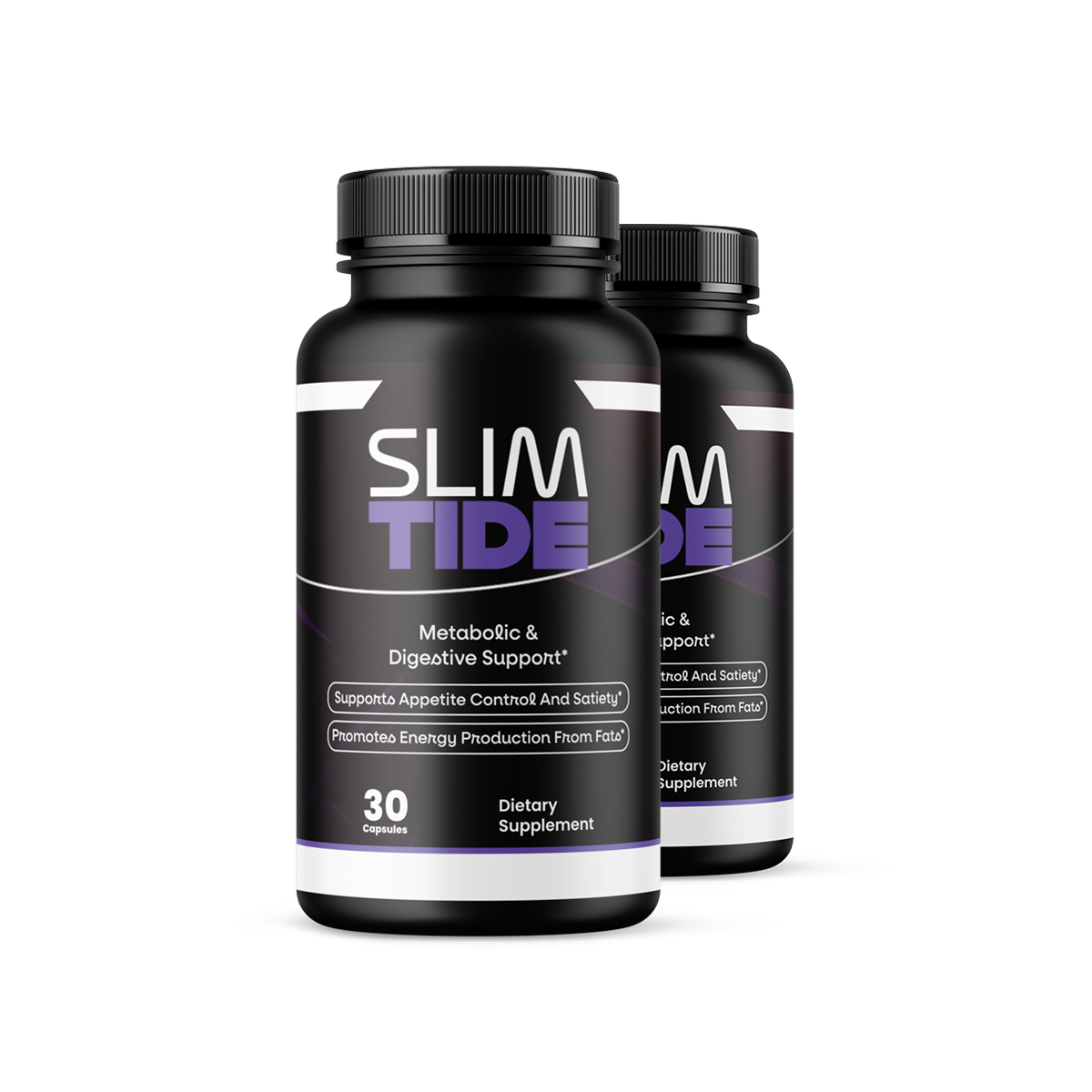
SlimTide 2026: The Billion-Dollar Gut-Health Trend Reshaping the Weight-Loss Supplement Industry
An independent review of available reports, manufacturer statements, and consumer research trends reveals a complex picture: while some ingredients associated with SlimTide have scientific relevance in microbiome and metabolic health research, significant concerns remain regarding exaggerated advertising claims, multiple competing “official” websites, and an expanding counterfeit marketplace.
This urgent report examines the facts behind SlimTide’s rise, the science being used to market it, and the risks consumers should understand before purchasing.
The Rise of SlimTide in 2026
Few wellness products have achieved the level of visibility that SlimTide has gained during 2026.
Search trends indicate surging consumer interest in topics such as:
- SlimTide reviews
- SlimTide ingredients
- SlimTide side effects
- Is SlimTide legit?
- SlimTide scam or legitimate?
- SlimTide official website
The supplement has been heavily promoted as part of the rapidly expanding metabolic-health and microbiome-support market. According to multiple promotional campaigns, the product allegedly supports:
- Weight management
- Appetite regulation
- Fat metabolism
- Digestive health
- Gut microbiome balance
- Cellular energy production
Its popularity appears to stem from a broader public interest in gut health, probiotics, metabolic optimization, and non-pharmaceutical approaches to weight management.
Industry analysts note that consumers increasingly seek alternatives to expensive prescription weight-loss medications, creating fertile ground for supplements marketed as natural metabolic solutions.
What Exactly Is SlimTide?
According to publicly available product descriptions, SlimTide is sold as a dietary supplement formulated to support digestive and metabolic wellness.
Reports indicate that one version of the formula contains:
- Chicory Root Inulin
- Potato Resistant Starch
- A probiotic blend featuring:
- Bifidobacterium infantis
- Clostridium butyricum
- Akkermansia muciniphila
The supplement is typically marketed in capsule form and promoted as part of a daily wellness routine. Some descriptions recommend consistent use over several weeks before noticeable effects may occur.
However, investigators reviewing SlimTide’s online presence have discovered an unusual complication: not all websites describing SlimTide appear to list the same ingredients.
Several domains promote entirely different formulations while using similar branding, leading to growing confusion among consumers attempting to verify the product's contents.
The Gut Health Narrative
A major component of SlimTide's marketing strategy centers around the human microbiome.
Scientific research over the past decade has increasingly explored relationships between gut bacteria, metabolism, inflammation, appetite regulation, and overall health.
SlimTide promotional materials frequently reference:
- Gut microbiome optimization
- Beneficial bacteria support
- Digestive balance
- Metabolic flexibility
- Satiety enhancement
The ingredient most commonly highlighted is Akkermansia muciniphila, a bacterial species that has attracted substantial scientific interest in obesity and metabolic research. Early studies have suggested possible associations between higher levels of Akkermansia and improved metabolic markers. However, researchers emphasize that microbiome science remains highly complex and far from settled.
Experts caution that preliminary scientific findings are often transformed into powerful marketing narratives long before definitive clinical evidence becomes available.
The Mitochondrial Marketing Strategy
Beyond gut health, another recurring theme in SlimTide advertising involves mitochondrial function.
Many promotional pages describe mitochondria as the body's energy-producing structures and suggest that impaired mitochondrial performance directly contributes to:
- Weight gain
- Fat storage
- Low energy
- Slow metabolism
Some advertisements imply that SlimTide can help “activate” metabolism by supporting cellular energy production.
While mitochondrial health is undeniably important to human physiology, medical experts warn that these concepts are frequently simplified in marketing campaigns. Weight regulation is influenced by a wide range of variables including genetics, calorie balance, hormones, sleep, stress, physical activity, medications, and dietary habits.
Currently, no widely accepted clinical consensus supports claims that a single over-the-counter supplement can dramatically transform metabolism independent of broader lifestyle factors.
Slim Tide Ingredients Explained: The Science, Claims, Benefits, and Concerns Behind the Formula
As Slim Tide continues gaining attention in the metabolic-health and gut-wellness market, consumers increasingly want to understand what is actually inside the supplement.
Based on published ingredient disclosures, the most commonly reported Slim Tide formula contains three primary active components:
- Chicory Root Inulin
- Potato Resistant Starch
- A Probiotic Blend containing:
- Bifidobacterium infantis
- Clostridium butyricum
- Akkermansia muciniphila
Reported serving amounts include:
| Ingredient | Reported Amount |
| Chicory Root Inulin | 211 mg |
| Potato Resistant Starch | 100 mg |
| Probiotic Blend | 36 mg |
Published reports also list inactive ingredients including hypromellose (vegetarian capsule), microcrystalline cellulose, magnesium stearate, and silica.
The formula is designed around a combination of prebiotic fibers and probiotic bacteria intended to influence the gut microbiome. However, experts emphasize that ingredient-level science should not automatically be interpreted as proof that the finished commercial product produces specific outcomes.
1. Chicory Root Inulin (211 mg)
What Is It?
Chicory root inulin is a naturally occurring soluble fiber extracted from the root of the chicory plant (Cichorium intybus).
Unlike ordinary carbohydrates, inulin is not fully digested in the small intestine. Instead, it travels to the colon where it becomes food for certain gut bacteria. Because of this function, it is classified as a prebiotic fiber.
How It Works
When inulin reaches the large intestine, bacteria ferment it and produce compounds called short-chain fatty acids (SCFAs).
Researchers have studied SCFAs because they may play roles in:
- Gut health
- Colon-cell energy production
- Appetite signaling
- Metabolic regulation
- Digestive function
Inulin is particularly known for supporting populations of Bifidobacteria, one of the most commonly studied beneficial bacterial groups.
Potential Benefits
Scientific studies have explored possible links between inulin consumption and:
- Increased beneficial gut bacteria
- Improved digestive regularity
- Enhanced satiety
- Reduced hunger signals
- Better microbiome diversity
- Support for digestive wellness
Researchers continue examining whether these effects may indirectly influence body weight and metabolic health.
Potential Drawbacks
Inulin is also one of the most commonly reported causes of digestive discomfort among sensitive individuals.
Reported side effects may include:
- Gas
- Bloating
- Cramping
- Digestive discomfort
Many users in microbiome communities report that highly fermentable fibers can trigger symptoms when introduced too quickly. Some individuals with IBS or sensitive digestion appear more likely to experience discomfort.
2. Potato Resistant Starch (100 mg)
What Is It?
Resistant starch is a unique carbohydrate that behaves more like dietary fiber than traditional starch.
Unlike rapidly digested starches, resistant starch "resists" digestion in the small intestine and reaches the colon largely intact. There it becomes fuel for beneficial microbes.
How It Works
Once resistant starch enters the colon, bacterial fermentation produces short-chain fatty acids, particularly butyrate.
Butyrate is important because it serves as a major energy source for colon cells and has become a major focus in microbiome research.
Potential Benefits
Research has investigated resistant starch for possible effects involving:
- Digestive health
- Satiety
- Appetite regulation
- Blood sugar response
- Insulin sensitivity
- Gut microbiome diversity
Several studies suggest resistant starch may encourage bacterial environments associated with metabolic wellness.
Food Sources
Resistant starch naturally occurs in:
- Green bananas
- Cooked and cooled potatoes
- Legumes
- Whole grains
Because of its fermentation properties, resistant starch is frequently used in microbiome-support supplements.
3. Bifidobacterium infantis
What Is It?
Bifidobacterium infantis is a probiotic bacterial strain commonly associated with digestive health.
Bifidobacteria are among the first beneficial organisms that colonize the human digestive tract and remain a major area of microbiome research.
Why It Is Included
Manufacturers frequently include Bifidobacterium strains because they may help support:
- Gut microbiome balance
- Digestive comfort
- Immune-system interactions
- Healthy intestinal function
Researchers continue exploring how various Bifidobacterium species interact with prebiotic fibers such as inulin.
4. Clostridium butyricum
What Is It?
Clostridium butyricum is a probiotic bacterium known for producing butyrate.
Unlike some probiotic strains that focus primarily on bacterial diversity, Clostridium butyricum has attracted attention because of its relationship with short-chain fatty acid production.
Why Researchers Study It
Scientific interest centers around potential connections with:
- Digestive support
- Gut-barrier integrity
- Microbial balance
- Inflammatory regulation
The microbiome field continues examining how butyrate-producing organisms influence digestive and metabolic health.
5. Akkermansia muciniphila
The Most Talked-About Slim Tide Ingredient
Among all Slim Tide ingredients, Akkermansia muciniphila has generated the most attention.
This bacterial species has become one of the most discussed subjects in modern microbiome research.
Why Scientists Are Interested
Research has observed that people with healthier metabolic profiles often show higher levels of Akkermansia within their microbiomes.
Scientists have investigated possible links with:
- Weight management
- Metabolic health
- Insulin sensitivity
- Gut-barrier integrity
- Inflammation regulation
Early findings generated substantial excitement in both research and supplement industries.
Important Scientific Caution
One of the biggest misunderstandings surrounding Akkermansia involves the difference between association and causation.
Researchers have observed correlations between Akkermansia levels and health markers.
However, scientists are still determining:
- Whether increased Akkermansia directly improves health
- Whether it reflects broader lifestyle improvements
- Which individuals benefit most
- What dosage levels may be clinically meaningful
These questions remain active areas of investigation.
How the Ingredients Are Intended to Work Together
Slim Tide's formula appears designed around a synbiotic approach, meaning it combines:
Prebiotics
- Chicory Root Inulin
- Resistant Starch
Probiotics
- Bifidobacterium infantis
- Clostridium butyricum
- Akkermansia muciniphila
The theory is that prebiotics provide nourishment for beneficial bacteria while probiotics introduce selected microbial strains.
This combination is intended to support:
- Microbiome balance
- Digestive function
- Satiety signaling
- Metabolic wellness
The concept is scientifically plausible, though the effectiveness of any specific commercial formulation depends on factors including dosage, strain viability, manufacturing quality, and individual biology.
Ingredient Transparency Questions
One concern raised by investigators involves the reported inconsistency among websites promoting Slim Tide.
Some websites describe a microbiome-focused formula featuring prebiotics and probiotics.
Others describe entirely different ingredient systems involving plant-based metabolic-support compounds.
These discrepancies have led consumers to question:
- Which ingredient list is accurate
- Whether multiple formulas exist
- Which website represents the authentic product
Experts generally recommend verifying ingredient labels directly from official manufacturer disclosures before purchasing.
Final Ingredient Assessment
From a scientific perspective, Slim Tide's disclosed ingredients are based on genuine areas of microbiome and digestive-health research.
The strongest scientific rationale appears to involve:
- Prebiotic fiber support
- Gut microbiome modulation
- Short-chain fatty acid production
- Digestive-health promotion
The most heavily marketed ingredient is Akkermansia muciniphila, a bacterial strain attracting significant attention in metabolic-health research.
However, consumers should recognize an important distinction: research supporting individual ingredients does not automatically prove that a finished supplement will deliver dramatic weight-loss or metabolic results.
The ingredients themselves are scientifically interesting. The extent to which the complete Slim Tide formula produces meaningful real-world outcomes remains a separate question requiring independent clinical evaluation.
The Counterfeit Marketplace Problem
Perhaps the most alarming development surrounding Slim Tide in 2026 is the reported growth of counterfeit products.
Industry investigations and consumer alerts have warned that unauthorized sellers are increasingly listing SlimTide-branded products across online marketplaces.
Reported warning signs include:
- Suspiciously low prices
- Inconsistent labeling
- Packaging discrepancies
- Unknown distributors
- Unauthorized marketplace listings
According to published reports, counterfeit products may contain ingredients not listed in the authentic formulation or may include inaccurate dosages. This raises potential safety concerns for consumers, particularly those with underlying medical conditions or those taking prescription medications.
Consumer advocates advise exercising caution when purchasing supplements through unofficial channels.
The Multiple “Official Website” Dilemma
One issue repeatedly identified by investigators is the existence of numerous websites claiming to be the official source for SlimTide.
This fragmented digital ecosystem has complicated efforts by consumers to determine:
- Which website is legitimate
- Which ingredient list is accurate
- Whether reviews are authentic
- Who actually manufactures the product
Experts note that legitimate brands generally maintain a consistent digital identity. When multiple sites make competing claims regarding ingredients, pricing, or manufacturing details, consumer confidence can erode quickly.
The Psychology Behind Viral Weight-Loss Products
SlimTide’s success reflects broader trends in consumer behavior.
Millions of adults continue to struggle with:
- Sedentary lifestyles
- Stress-related eating
- Hormonal changes
- Age-related metabolic shifts
- Long-term weight management challenges
As a result, products promising simpler solutions naturally attract attention.
Marketing campaigns frequently emphasize emotional themes such as:
- Frustration with dieting
- Lack of energy
- Stubborn fat
- Repeated failures
- Desire for confidence and control
By combining scientific terminology with emotionally resonant messaging, supplements can create compelling narratives that resonate with consumers seeking practical answers.
Regulatory Challenges
The SlimTide story also highlights broader challenges facing the dietary supplement industry.
Unlike pharmaceutical drugs, dietary supplements generally do not undergo FDA pre-approval before entering the marketplace.
Manufacturers are responsible for ensuring:
- Product safety
- Accurate labeling
- Compliance with regulations
This framework allows companies to market products using broad structure-function claims such as:
- Supports metabolism
- Promotes digestive health
- Encourages healthy energy levels
Such language can sound highly scientific while remaining legally distinct from claims that a product treats or cures disease.
Health experts often advise consumers to remain skeptical of advertisements relying heavily on:
- Miracle-fat-burning promises
- Urgent countdown offers
- Celebrity-style testimonials
- Secret-discovery narratives
- Dramatic before-and-after transformations
Consumer Reviews and Public Perception
Public reaction to SlimTide appears mixed.
Some consumers report positive experiences involving:
- Improved digestion
- Reduced bloating
- Better appetite control
- Increased wellness motivation
Others express concerns regarding:
- Marketing tactics
- Product consistency
- Website legitimacy
- Limited independent evidence
Search behavior indicates that consumers increasingly investigate supplements before purchasing, reflecting growing awareness of misinformation and online scams. Queries involving safety, authenticity, and legitimacy have become common in the supplement category.
Expert Recommendations
Healthcare professionals generally recommend several precautions before beginning any supplement program:
- Review ingredient lists carefully.
- Consult a qualified healthcare provider.
- Verify manufacturer information.
- Research independent testing data.
- Maintain realistic expectations.
- Avoid products promising dramatic results.
- Continue evidence-based lifestyle practices.
Experts consistently emphasize that sustainable weight management remains strongly associated with:
- Balanced nutrition
- Regular exercise
- Adequate sleep
- Stress management
- Long-term behavioral change
Supplements may play a supportive role for some individuals, but they are rarely viewed as standalone solutions.
Market Statistics and Regional Consumer Trends
Global Market Expansion
The explosive rise of SlimTide mirrors broader growth across the global dietary supplement and gut-health industries.
Industry analysts estimate that the worldwide dietary supplements market reached approximately $209.5 billion in 2025 and could exceed $431 billion by 2033, reflecting sustained consumer demand for preventive health products, wellness solutions, and self-directed healthcare strategies.
Within this broader sector, gut-health supplements have emerged as one of the fastest-growing categories. Market research estimates the global gut-health supplement market at nearly $20 billion in 2025, with forecasts suggesting expansion to more than $36 billion by 2033. Growth is being fueled by increasing awareness of microbiome science, digestive wellness, and immune-health connections.
Probiotic supplements alone generated an estimated $9.8 billion in global revenue during 2025, highlighting consumer willingness to spend on products promising digestive and metabolic support.
Weight-management supplements continue to represent one of the largest commercial opportunities in the wellness industry. Analysts estimate the global weight-management nutritional supplements sector exceeded $107 billion in 2025, demonstrating the enormous financial scale of consumer interest in metabolism-focused products.
Asia-Pacific Emerges as the Growth Engine
Market researchers consistently identify the Asia-Pacific region as the largest and fastest-growing market for digestive-health and wellness supplements.
Several factors are driving regional expansion:
- Rising disposable income
- Urban lifestyle changes
- Increased obesity concerns
- Growing interest in preventive healthcare
- Rapid expansion of e-commerce
- Social-media-driven wellness trends
Asia-Pacific accounted for the largest share of the global gut-health supplement market in 2025, according to industry forecasts.
Researchers also project India to record one of the fastest growth rates globally across multiple supplement categories during the coming decade.
USA: A Critical Growth Market
India has become one of the most important battlegrounds for emerging supplement brands.
Market reports indicate that capsules represented approximately 32.8% of USA’s gut-health supplement segment in 2025, reflecting strong consumer preference for convenient daily-use products. Over-the-counter sales accounted for more than half of total market activity, demonstrating the growing popularity of self-directed wellness purchasing.
North USA reportedly represented the largest regional market, accounting for roughly 35.5% of national demand, supported by urbanization, digital commerce infrastructure, and rising health awareness.
Separately, USA probiotics market reportedly doubled over a five-year period and reached approximately ₹2,070 crore by 2025, signaling rapidly increasing consumer interest in digestive-health solutions.
North American Consumer Behavior
North America remains one of the world's most mature supplement markets.
Researchers estimate the region accounted for approximately 31% of the global gut-health supplement market in 2025. Consumer demand has increasingly shifted toward:
- Personalized nutrition
- Functional wellness products
- Gut-health optimization
- Weight-management support
- Preventive healthcare
Healthcare practitioners in North America have also become more active participants in the gut-health category, with increasing clinical interest in microbiome-focused interventions.
Consumer surveys suggest that American buyers are becoming more skeptical of exaggerated marketing claims and increasingly demand:
- Third-party testing
- Clinical validation
- Transparent labeling
- Science-backed ingredients
This trend may explain why brands frequently emphasize microbiome research, probiotic strains, and ingredient traceability in their advertising.
Europe and the “Wellness Consumer”
European consumers have increasingly embraced supplements associated with digestive wellness, longevity, and metabolic health.
Industry observers note growing demand for:
- Clean-label formulations
- Plant-based ingredients
- Sustainable sourcing
- Evidence-supported products
The popularity of weight-management medications across Europe has also influenced purchasing behavior. Retailers have reported increased demand for high-protein products, digestive-support supplements, and nutrition-focused wellness categories.
In countries such as the United Kingdom, supplement purchasing has become deeply integrated with digital wellness culture and social-media consumption patterns. Wellness content continues generating billions of views across major platforms, significantly influencing consumer purchasing decisions.
Regional Consumer Profiles
Urban Professionals
One of SlimTide's most visible target demographics consists of working professionals between ages 25 and 45.
Common motivations include:
- Busy schedules
- Sedentary work environments
- Stress-related eating
- Desire for convenient wellness solutions
These consumers often encounter supplement marketing through:
- Social media
- Podcasts
- Influencer content
- Online health publications
Middle-Aged Weight-Management Consumers
Adults aged 40 to 60 represent another major market segment.
Many report concerns regarding:
- Slower metabolism
- Weight gain
- Energy levels
- Digestive discomfort
Marketing campaigns frequently frame microbiome and metabolic-health products as solutions for age-related wellness challenges.
Young Digital-Native Consumers
Consumers under 35 increasingly discover supplements through:
- TikTok
- YouTube wellness creators
- Health influencers
This audience tends to respond strongly to:
- Transformation stories
- Wellness routines
- Before-and-after narratives
- Scientific-sounding health explanations
Industry analysts believe this demographic has played a major role in the viral spread of products such as SlimTide.
E-Commerce and the Direct-to-Consumer Boom
Online sales channels are reshaping the supplement industry.
The online gut-health supplement market generated an estimated $3.7 billion in global revenue during 2025, with projections indicating continued rapid growth through 2033.
Direct-to-consumer business models provide brands with:
- Higher profit margins
- Greater customer data access
- Subscription opportunities
- Faster marketing deployment
However, digital expansion has also contributed to growing concerns about:
- Counterfeit products
- Fake reviews
- Unauthorized sellers
- Misleading advertising claims
These risks have become particularly relevant in the case of highly viral supplement brands whose popularity attracts opportunistic third-party sellers.
Consumer Trust Becomes the New Competitive Advantage
As the supplement market grows increasingly crowded, analysts suggest that consumer trust may become the industry's most valuable asset.
Modern buyers increasingly evaluate products according to:
- Ingredient transparency
- Manufacturing standards
- Clinical evidence
- Independent testing
- Brand credibility
The future winners in the metabolic-health and gut-wellness sector may be those capable of balancing compelling marketing with verifiable scientific support.
For products such as Slim Tide, long-term success will likely depend not only on consumer demand but also on the industry's ability to address growing concerns regarding authenticity, transparency, and evidence-based health claims.
Frequently Asked Questions (FAQ) – Deep Explained
1. What is SlimTide and why has it become so popular in 2026?
Slim Tide is marketed as a dietary supplement designed to support weight management, digestive health, and metabolic wellness. Its popularity is largely driven by the convergence of three major consumer trends:
- Growing interest in gut-health science.
- Increased awareness of the microbiome.
- Rising demand for alternatives to prescription weight-loss medications.
The product gained momentum through social media advertising, influencer promotion, affiliate marketing campaigns, wellness blogs, and consumer review websites. Many advertisements position Slim Tide as a modern solution for people struggling with weight gain, low energy, digestive discomfort, and slow metabolism.
The combination of scientific language and wellness-focused marketing has helped the product attract attention from consumers seeking convenient health solutions.
2. How does Slim Tide claim to work?
Marketing materials typically describe three primary mechanisms:
Gut Microbiome Support
Slim Tide is promoted as a supplement that encourages beneficial gut bacteria. The theory is that a healthier microbiome may contribute to improved digestion, appetite regulation, and metabolic function.
Prebiotic Nutrition
Ingredients such as chicory root inulin and resistant starch are commonly described as "food" for beneficial bacteria. These substances may help support microbial diversity within the digestive tract.
Metabolic Support
Promotional content frequently suggests that the product supports natural metabolic processes and cellular energy production. Advertisements often discuss mitochondria, which are responsible for producing energy within human cells.
While these concepts are grounded in real biological processes, experts caution that supplement marketing often simplifies complex scientific topics.
3. Is there scientific evidence supporting Slim Tide itself?
This is one of the most important questions consumers ask.
Current evidence primarily focuses on individual ingredients rather than the complete Slim Tide formula.
Researchers have studied:
- Inulin
- Resistant starch
- Probiotic strains
- Microbiome interactions
However, ingredient-level research does not automatically prove that a finished commercial product will produce the same outcomes.
For a supplement to be strongly validated, researchers generally prefer independent clinical trials conducted on the exact formulation being sold to consumers.
Consumers should distinguish between:
Ingredient Evidence
Research supporting individual components.
Product Evidence
Research supporting the complete product itself.
This distinction is frequently overlooked in supplement advertising.
4. What is the gut microbiome and why is it important?
The gut microbiome refers to trillions of microorganisms that live inside the digestive system.
These microorganisms help perform functions such as:
- Digesting certain foods
- Producing vitamins
- Supporting immune function
- Interacting with metabolism
- Influencing digestive comfort
Over the past decade, microbiome research has become one of the fastest-growing areas in health science.
Researchers continue investigating potential links between microbiome composition and:
- Obesity
- Diabetes
- Inflammation
- Mental health
- Immune regulation
Although the field shows promise, scientists emphasize that the microbiome remains extraordinarily complex and many questions remain unanswered.
5. What is Akkermansia muciniphila and why is it mentioned so often?
Akkermansia muciniphila is a bacterial species that has attracted significant scientific interest.
Research has observed that individuals with healthier metabolic profiles sometimes have higher levels of Akkermansia bacteria.
Scientists have investigated possible associations with:
- Weight regulation
- Blood sugar control
- Metabolic health
- Gut barrier integrity
However, an important point is often misunderstood.
An association does not automatically mean causation.
Scientists continue researching whether increasing Akkermansia levels directly improves health outcomes or whether it simply reflects broader improvements in lifestyle and health status.
6. Can Slim Tide replace diet and exercise?
No responsible healthcare professional would recommend replacing healthy lifestyle habits with a supplement.
Weight management remains influenced by many factors including:
- Calorie intake
- Physical activity
- Sleep quality
- Stress levels
- Hormonal balance
- Genetics
- Medical conditions
Supplements may potentially play a supportive role for some individuals, but they are generally not considered substitutes for evidence-based health practices.
Long-term success usually depends on sustainable behavior changes rather than a single product.
7. Why do some people report positive results while others do not?
Human biology varies significantly from person to person.
Several factors influence outcomes:
Individual Metabolism
People process nutrients differently.
Dietary Habits
A supplement may produce different results depending on a person's overall eating pattern.
Gut Microbiome Differences
No two microbiomes are identical.
Lifestyle Factors
Exercise, sleep, stress, and hydration all affect health outcomes.
Expectations
Consumers sometimes expect dramatic results based on advertising claims, which may not align with realistic outcomes.
As a result, user experiences can vary substantially.
8. What are the most common consumer concerns?
Several recurring concerns appear in online discussions:
Product Authenticity
Consumers frequently question whether they are purchasing genuine products.
Ingredient Transparency
Some buyers seek more detailed information about formulation consistency.
Marketing Claims
Many consumers want independent verification of promotional statements.
Counterfeit Products
Reports of unauthorized sellers have raised concerns regarding product quality and safety.
These concerns have become increasingly common throughout the broader supplement industry.
9. Why are counterfeit supplements considered dangerous?
Counterfeit supplements may present multiple risks.
Potential concerns include:
- Incorrect ingredients
- Contamination
- Improper manufacturing
- Misleading labels
- Unknown dosages
Because counterfeit products are not subject to the same quality controls as legitimate manufacturers, consumers cannot easily verify what they are receiving.
This is one reason health experts recommend purchasing products only through trusted and verifiable sources.
10. Are online reviews always reliable?
Not necessarily.
Consumers should remember that online reviews can include:
- Genuine customer experiences
- Incentivized reviews
- Affiliate-generated content
- Promotional testimonials
- Fake reviews
When evaluating reviews, it is useful to look for:
- Balanced feedback
- Specific details
- Consistent patterns
- Independent sources
Extreme claims should generally be approached with caution.
11. Why do supplement advertisements often sound highly scientific?
Scientific language increases consumer trust.
Marketing materials frequently reference concepts such as:
- Metabolism
- Mitochondria
- Hormones
- Inflammation
- Microbiome balance
- Cellular function
Many of these concepts are legitimate scientific topics.
However, advertisements may sometimes oversimplify research findings or imply stronger evidence than currently exists.
Consumers benefit from separating scientific terminology from demonstrated clinical outcomes.
12. What questions should consumers ask before buying any supplement?
Before purchasing, consumers may consider asking:
- What are the active ingredients?
- Is the dosage clearly disclosed?
- Are there independent clinical studies?
- Who manufactures the product?
- Is third-party testing available?
- Are safety warnings provided?
- Is customer support accessible?
- Does the marketing rely on exaggerated promises?
The answers to these questions can often reveal important information about product credibility.
13. What is the biggest lesson from the Slim Tide phenomenon?
The biggest lesson is that modern health products exist at the intersection of science, marketing, consumer psychology, and digital commerce.
Scientific discoveries often generate excitement long before definitive answers emerge.
Consumers increasingly encounter health information through social media, influencers, and online advertising rather than traditional healthcare channels.
As a result, critical evaluation has become more important than ever.
The most informed consumers are typically those who:
- Verify claims independently.
- Examine scientific evidence carefully.
- Maintain realistic expectations.
- Consult qualified healthcare professionals when necessary.
In an era of viral wellness trends, informed decision-making remains one of the most valuable tools available to consumers.
Final Assessment
The Slim Tide phenomenon illustrates the intersection of modern wellness culture, digital marketing, microbiome science, and consumer demand for accessible weight-management solutions.
Available evidence suggests that several ingredients associated with SlimTide possess legitimate scientific interest within digestive and metabolic research. However, important questions remain regarding formula consistency, clinical validation, marketing practices, and counterfeit distribution networks.
For consumers, the central lesson may be one of caution rather than certainty.
As the supplement market continues expanding in 2026, products like SlimTide demonstrate how rapidly scientific buzzwords, social media visibility, and consumer hopes can combine to create viral health trends. Whether SlimTide ultimately emerges as a lasting wellness brand or another short-lived internet sensation remains to be seen.
What is clear is that public demand for simple, effective weight-management solutions remains enormous—and companies operating within this space will continue to face increasing scrutiny regarding transparency, scientific evidence, and consumer protection.
Attachment

Email Support: contact@customercs.com
Number Support: +1 (507) 448-8190
