The Back Pain Myths Patients Still Believe. And What Science Says Instead
PR Newswire
HILLSBOROUGH, N.C., June 1, 2026
Author of the upcoming book "Take Your Back Back," Dr. Christine Goertz says patients need facts, movement and self-care, not fear-driven decisions or one-size-fits-all quick fixes
HILLSBOROUGH, N.C., June 1, 2026 /PRNewswire/ -- Low back pain is one of the most common and misunderstood health problems in the world. Affecting 619 million people globally in 2020, it is now the single leading cause of disability worldwide, according to the World Health Organization (WHO). Yet despite how widespread it is, many people still make care decisions based on myths that can push them toward fear, inactivity, unnecessary treatment, and confusion before they understand what helps.
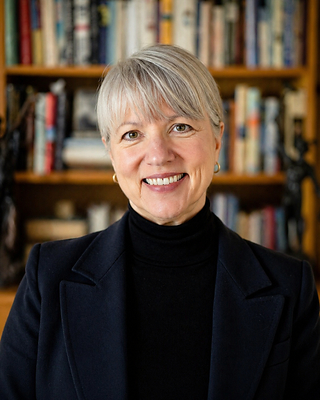
"People believe a lot of things about low back pain that are not true," said spine health researcher, clinician, and professor Christine Goertz, DC, PhD, author of the forthcoming book Take Your Back Back: Whole Health Healing for Low Back Pain. "Unfortunately, patients are often overwhelmed by conflicting advice from social media, online 'quick fixes' and common misconceptions about recovery," said Dr. Goertz. "If you believe something will help when it won't, or avoid something because you were told the opposite, that can put you at risk of worse outcomes."
According to Dr. Goertz, the first thing people should do when experiencing low back pain is not panic. "Stay calm, move as much as you can, and understand that most low back pain is not necessarily a sign that something dangerous is going on."
Common Myths Debunked
- "Rest is the best treatment." One of the most common myths is the belief that a painful back must be rested until it heals.
Dr. Goertz calls this myth one of the most harmful assumptions patients make. While short-term modifications to normal activity levels may be necessary, complete inactivity can keep people from returning to normal life and may reinforce the idea that movement is dangerous. "The truth is that you need to move as much as you possibly can," said Dr. Goertz. "If you are only moving 100 steps a day, start from there, do a little more tomorrow, and a little more the next day." - "Lower back pain means something is seriously wrong." Another damaging myth is that severe pain automatically means something is seriously wrong.
Fear itself can lead patients down the wrong path if it sends them immediately toward prescription medications or invasive procedures. For most people, Dr. Goertz says the first response should be informed self-care. That approach may include moving as much as possible, applying heat or ice, taking short-term over-the-counter anti-inflammatory medication when appropriate, and seeking help from an evidence-based chiropractor or physical therapist who specializes in low back pain if self-care strategies are not working. The exception to this is the presence of red-flag symptoms. Loss of bowel or bladder control, progressive neurological weakness or other serious neurological signs require immediate medical attention. - "An MRI will give you all the answers." The third myth is that an MRI will explain the pain.
"Imaging does not do a very good job of predicting who has pain and who does not," Dr. Goertz said. "As we age, our backs go through normal changes. That does not automatically mean disease." Arthritis, degeneration, bulging, or herniated discs can sound alarming, especially when patients are already in pain. But those common findings do not always explain symptoms and often move patients towards aggressive interventions without improving recovery. - "There is a quick fix for lower back pain." This is where social media and online health content can make an already confusing issue worse.
Videos promising instant relief, one exercise that "fixes" back pain forever or a single explanation for the root cause of pain may be appealing. In some cases, these self-care tools might help. The problem is when patients are sold certainty where none exists. "Low back pain is often caused by several different factors, especially when you have had it for awhile" Dr. Goertz said. "There are a lot of things you can do while you heal that make you feel better in the short term. But there is no single quick fix that works for everyone." - "Surgery and steroid injections are your best bet to heal low back pain."
Another major misconception is that the most aggressive treatment option available is always the best way to go.
"Surgery and corticosteroid injections are not right for most patients," Dr. Goertz said. "They do not necessarily fix what is wrong with your back." Instead, evidence-based first-line care often begins with education, movement, and non-drug therapies.
The American College of Physicians recommends non-drug options such as superficial heat, massage, acupuncture, and spinal manipulation for acute or subacute low back pain. Exercise, multidisciplinary rehabilitation, mindfulness-based stress reduction, cognitive behavioral therapy, and spinal manipulation are recommended for chronic low back pain.
Education Against Pain
"People with low back pain need practical information they can use," Dr. Goertz said. "They need to know when to seek urgent care, how to keep moving, and how to find the right clinician if they need help."
Dr. Goertz's forthcoming book, Take Your Back Back, is designed to give patients that framework. Blending research, clinical insight and whole-health strategies, the book helps readers understand low back pain, evaluate treatment options, and create a personalized action plan. "The science on low back pain doesn't always match what many patients are actually told," Dr. Goertz said. "Research only changes care if people know about it."
About Dr. Christine Goertz
Christine Goertz, DC, PhD, is a spine health researcher, clinician, professor, and author focused on transforming how low back pain care is delivered. She is a Professor in Orthopaedic Surgery at Duke University School of Medicine, a member of the Duke Clinical Research Institute, a Core Faculty Member at the Duke-Margolis Institute for Health Policy, and an adjunct professor in the Department of Epidemioology at the University of Iowa. Her work focuses on evidence-based, nonpharmacological approaches to low back pain and translating research into clinical care, policy and public education. Visit her Substack.
About Take Your Back Back
Take Your Back Back: Whole Health Healing for Low Back Pain is Dr. Christine Goertz's forthcoming book from S&S/Simon Element, an imprint of Simon & Schuster. The book, to be published on October, 6th, offers a whole-health, patient-centered guide to understanding low back pain, debunking common myths, reviewing treatment options and building a personalized action plan for recovery. You can preorder the book on Amazon.
References
- Goertz, C. (2026). Take Your Back Back. S&S/Simon Element.
Media Inquiries:
Karla Jo Helms
JOTO PR
727-777-4629
Jotopr.com
 View original content to download multimedia:https://www.prnewswire.com/news-releases/the-back-pain-myths-patients-still-believe-and-what-science-says-instead-302787044.html
SOURCE Dr. Christine Goertz

