"Wholly insufficient" and "fundamentally flawed," Unifor condemns government's Labour Code review in federal submission
Canada NewsWire
TORONTO, May 26, 2026
TORONTO, May 26, 2026 /CNW/ - Unifor challenges government biases against workers in the union's submission to the Employment and Social Development Canada's consultation on modernizing the federal labour relations framework.
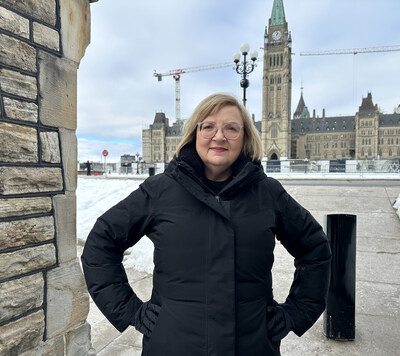
"The assumptions at the heart of this consultation reveal a deep misunderstanding of how labour relations actually work in this country. The power of workers to take strike action is what makes employers negotiate, and firm deadlines help both parties reach a deal," said Unifor National President Lana Payne. "Unifor has and will engage in good faith in this flawed process, but we can hear the dog whistles of union-busting weaved throughout the government's questions and reference documents."
Unifor's submission to the federal government's 35-day consultation on changes to the federal labour code responded to the 12 sweeping topics put forward by government. Some of the topics include collective bargaining and strike timelines, the use of section 107 of the Code, health & safety, AI and automation, employee misclassification, contract flipping, and more.
In its submission, Unifor noted, "Unifor bargains a collective agreement nearly every day of the week across the country. The vast majority of these negotiations conclude with a successfully bargained collective agreement. It is Unifor's view that, for the most part, the existing structures work."
The union criticized the recent use of section 107 to end lawful strikes and impose binding arbitration, forcing a contract onto workers which they did not negotiate, all of which violates the Canadian Charter of Rights and Freedoms.
"Free and fair collective bargaining drives social, economic and political change in Canada, values which are more core to 'national interest' than companies being temporarily inconvenienced due to the rare instances of labour disputes," continued Payne. "Our union spearheaded negotiating paid domestic violence leave at the bargaining table, a lifesaving provision which has now been written into nearly every labour code in the country. Progress doesn't just happen; workers bargain it."
The International Court of Justice in The Hague recently affirmed that the right to strike is a protected activity of trade unions under international law.
Thirteen Unifor locals representing workers in road transportation, rail, airlines and marine transportation, energy, telecommunications and media also made submissions highlighting the perspectives of workers in those sectors.
Unifor is Canada's largest private sector union, representing approximately 320,000 workers across every major area of the economy. It is also the largest union in the federally regulated private sector including road, rail, air and marine transportation, media, aerospace, energy, and telecommunications. Nearly 70,000 Unifor members work under federal jurisdiction.
SOURCE Unifor

